SQL EXISTS Operator Explained with Practical Examples | DbSchema
How SQL EXISTS and NOT EXISTS test a subquery for rows, run on PostgreSQL, MySQL and SQLite: correlation, the NOT IN NULL trap, EXISTS against a join, and EXISTS in a DELETE.
Every post tagged tutorials on the DbSchema blog.
How SQL EXISTS and NOT EXISTS test a subquery for rows, run on PostgreSQL, MySQL and SQLite: correlation, the NOT IN NULL trap, EXISTS against a join, and EXISTS in a DELETE.
Learn SQL aggregate functions with COUNT, SUM, AVG, MIN, MAX, GROUP BY, HAVING, and ROLLUP examples. Build reporting queries faster in DbSchema.
How SQL IN and NOT IN filter rows with a value list or a subquery, why a NULL makes NOT IN return nothing, and the mistakes each engine reports.
Master the SQL LIKE operator with wildcards, NOT LIKE, ESCAPE, ILIKE, examples, and performance tips. Build pattern searches visually in DbSchema.
SQL INSERT INTO syntax with one row, several rows, defaults and INSERT INTO SELECT, plus the errors PostgreSQL, MySQL and SQLite return when an insert fails.
SQL aliases explained: rename columns and tables with AS, quote aliases with spaces or reserved words, and see where an alias may be referenced in WHERE, GROUP BY, HAVING and ORDER BY.
Learn how to use the SQL WHERE clause with comparison, range, list and pattern operators, NULL, AND/OR precedence, and UPDATE or DELETE, with every result shown.
SQL SELECT DISTINCT with single and multi-column examples, how NULL is handled, the ORDER BY error, COUNT(DISTINCT) on two columns, and DISTINCT vs GROUP BY.
Learn SQL wildcard characters with %, _, ESCAPE, ILIKE, and NOT LIKE examples. Compare databases and test safe pattern searches in DbSchema.
Learn SQL NULL-handling functions like IFNULL, ISNULL, COALESCE, and NVL, with examples, pitfalls, and practice exercises.
Learn SQL HAVING with GROUP BY using COUNT, SUM, AVG, JOIN, and COUNT DISTINCT examples. Understand HAVING vs WHERE and write safer reporting queries.
ANY is true when one subquery row matches, ALL only when every row does. See each operator form, IN and EXISTS, and what NULLs and an empty subquery do.
SELECT INTO copies a query result into a new table. Syntax, examples with their results, what the copy keeps, and what to use on MySQL, Oracle and SQLite.
Learn SQL DELETE syntax with WHERE, JOIN, and subquery examples plus transaction-safe cleanup patterns. Includes DELETE vs TRUNCATE vs DROP and production safety tips.
Learn SQL UPDATE syntax with practical examples, WHERE safety checks, JOIN-based updates, and transaction-safe patterns for MySQL, PostgreSQL, and SQL Server.
SQL MIN() and MAX() explained: syntax, NULL handling, GROUP BY and ORDER BY, WHERE vs HAVING, text and date columns, and selecting the full row.
Learn SQL tables with practical examples: what a table is, how to CREATE, ALTER, and DROP tables, and how primary keys and constraints work.
Learn SQL ORDER BY with examples: ASC/DESC sorting, multiple columns, NULL handling, LIMIT/OFFSET pagination, CASE expressions, and performance tips.
Learn how SQL NULL values affect filters, joins, aggregates, UNIQUE rules, and NOT IN queries. Use DbSchema to inspect nullable columns and test fixes safely.
Learn SQL INSERT INTO SELECT with JOINs, filters, duplicate prevention, and transaction-safe data copy patterns for MySQL, PostgreSQL, and SQL Server.
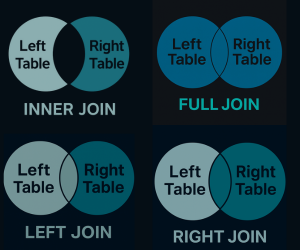
Learn SQL JOINs with clear INNER, LEFT, RIGHT, FULL, CROSS, and SELF JOIN diagrams, examples, and FAQs. Build and test joins visually in DbSchema.
COUNT(*) counts every row including NULLs, COUNT(column) skips them, and SUM and AVG ignore NULL. SQL COUNT, AVG, SUM syntax with GROUP BY and HAVING.
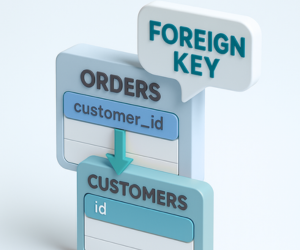
Learn SQL foreign key syntax with examples, ON DELETE and ON UPDATE actions, composite keys, and how to add or drop constraints in MySQL, PostgreSQL, and SQL Server.
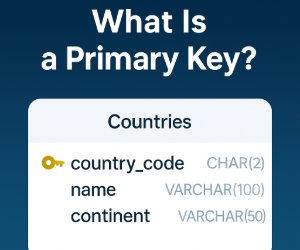
Learn what a primary key in SQL is, with syntax and examples for MySQL, PostgreSQL, and SQL Server, plus composite keys and primary key vs unique vs foreign key.
SQL TOP, LIMIT, FETCH FIRST n ROWS ONLY and ROWNUM compared engine by engine: syntax, worked examples and the pagination form for each.
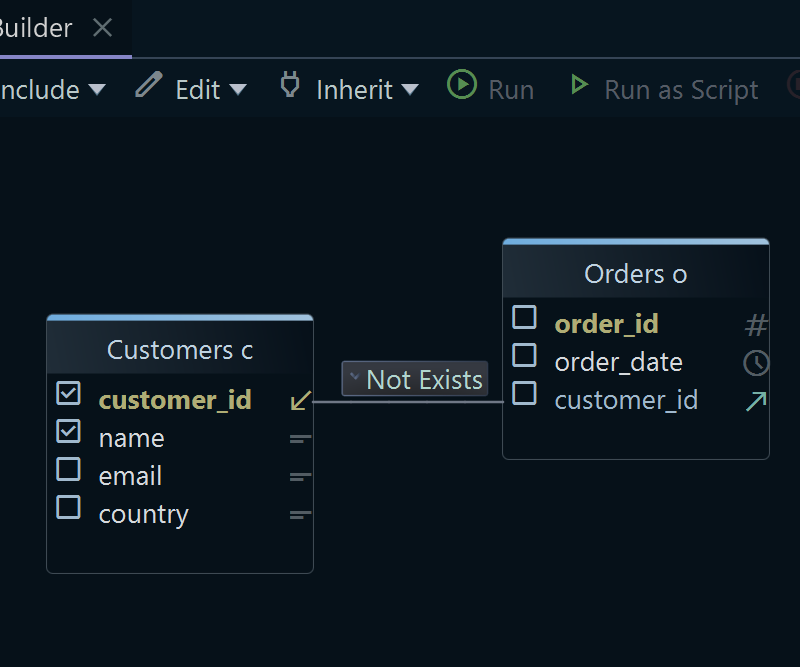
Learn about a common SQL pattern used to find rows in one table that have no matching rows in another. And some related counting problems.
Learn SQL INTERSECT with examples, INTERSECT vs INNER JOIN, support notes, and FAQs. Find common rows faster and validate results in DbSchema.
What the SQL CASE expression is, simple vs searched syntax, and examples in SELECT, ORDER BY, GROUP BY, UPDATE, INSERT, DELETE, and aggregate queries.
Learn SQL basics and database fundamentals with real-world examples, core concepts, and practical next steps.
Learn SQL UNION and UNION ALL with syntax, duplicate rules, ORDER BY tips, comparisons, and FAQs. Build combined result queries faster in DbSchema.
How SQL statements are structured, a runnable example per command family, where engine syntax differs, and how to read a syntax error.
Learn the SQL SELECT statement with syntax, WHERE, DISTINCT, JOINs, GROUP BY, ORDER BY, subqueries, and FAQs. Build queries visually in DbSchema.
SQL AND, OR and NOT explained with runnable examples: what each returns, why precedence breaks AND/OR combinations, and how NOT behaves against NULL.
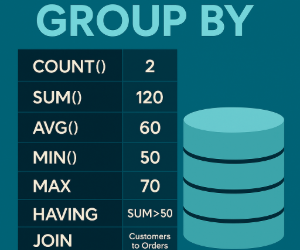
Learn SQL GROUP BY with single and multi-column examples, HAVING, JOINs, aggregations, and common mistakes.
Learn SQL GROUP BY with clear examples for COUNT, SUM, AVG, HAVING, and JOIN-based reporting queries.
Learn SQL BETWEEN and NOT BETWEEN with numeric, date, text, and time examples, plus common mistakes and best practices.
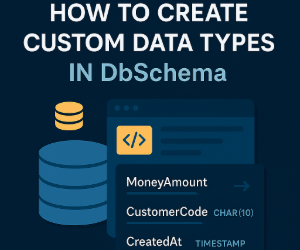
Create custom data types in DbSchema’s Logical Design to standardize columns; on deployment they convert to native DBMS types like VARCHAR.