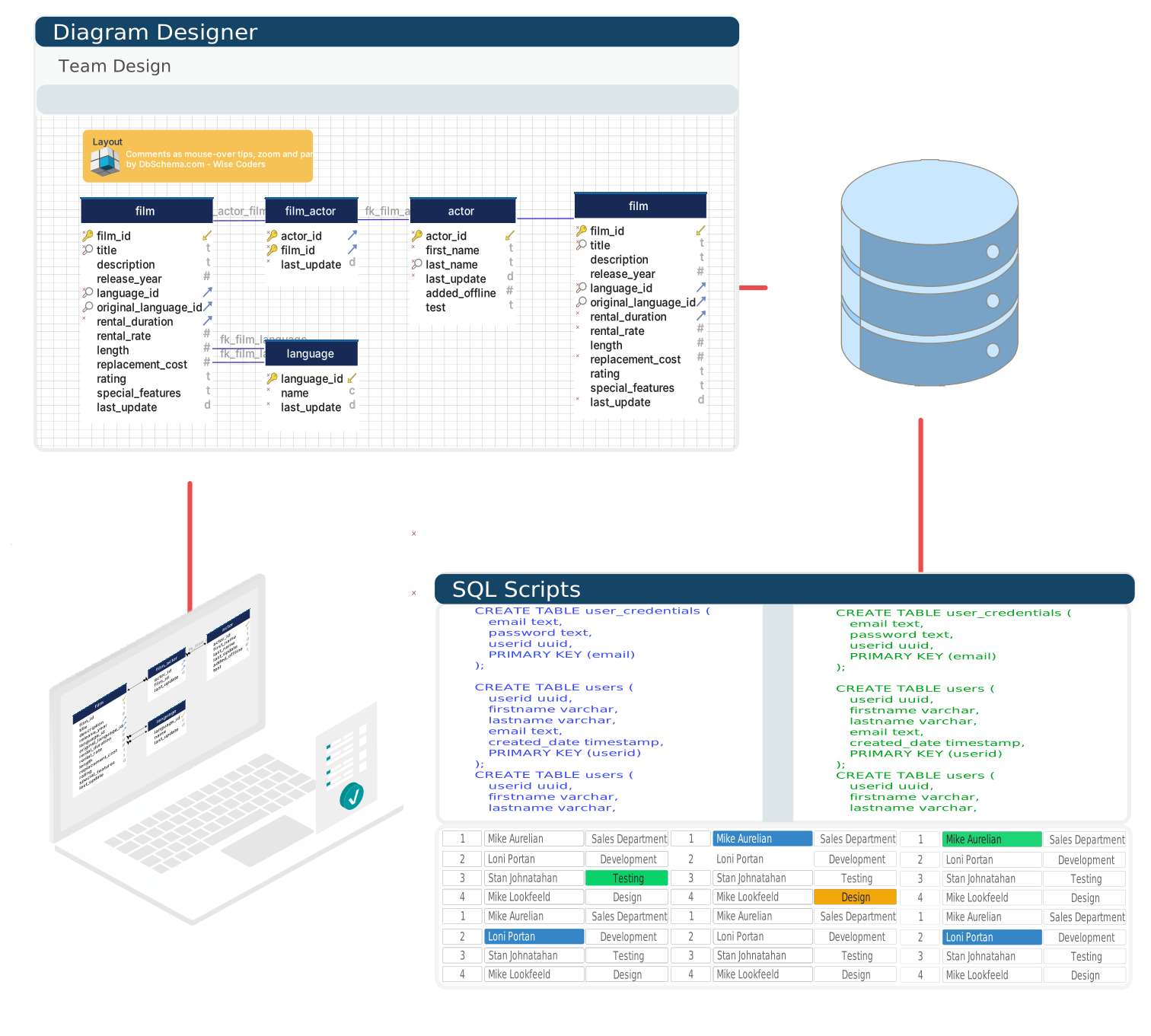
DbSchema connects to MonetDB over JDBC, reads the system catalog, and gives the column store what its ecosystem rarely includes: interactive ER diagrams, a desktop SQL editor, and generated schema documentation.
Trusted by teams at
MonetDB — the CWI-born pioneer of column-at-a-time execution — answers analytical queries at remarkable speed, but its tooling ecosystem is thinner than mainstream engines. Schema knowledge tends to live in ad-hoc catalog queries someone keeps in a text file.
DbSchema replaces that text file with a model: the catalog reverse-engineered into diagrams the team can browse, rearrange, and hand to the next analyst.
From system catalog to shared reference without leaving the desktop.
DbSchema reads MonetDB's system catalog and lays out tables, views, and their relationships as an interactive diagram you can regroup by subject area.
Author and run MonetDB SQL in a desktop editor with autocomplete and result grids, then export result sets to CSV, Excel, or JSON.
Generate HTML documentation of table schemas, column types, and views, so analysts stop reconstructing the data model query by query.
The DbSchema model is a file, so the MonetDB schema can live in the same repository as your ETL and query logic: commit it next to the pipeline code, diff it in review, and tag it with each release. The diagram regenerates from the model after every approved change.
Download the MonetDB JDBC driver from monetdb.org/downloads — it is not bundled —
and register the JAR in DbSchema under driver class
nl.cwi.monetdb.jdbc.MonetDriver. The server listens on port
50000 by default, so the URL takes the form
jdbc:monetdb://host:50000/dbname.
MonetDB's default configuration accepts connections from localhost only; for remote access,
bind the server to the appropriate network interface in monetdb.conf first.
Full setup steps are on the MonetDB JDBC driver page.
Community Edition free forever; the Architect trial runs 15 days. No signup.
Teams working with MonetDB often use these engines too. Explore dedicated guides and JDBC setup for each.