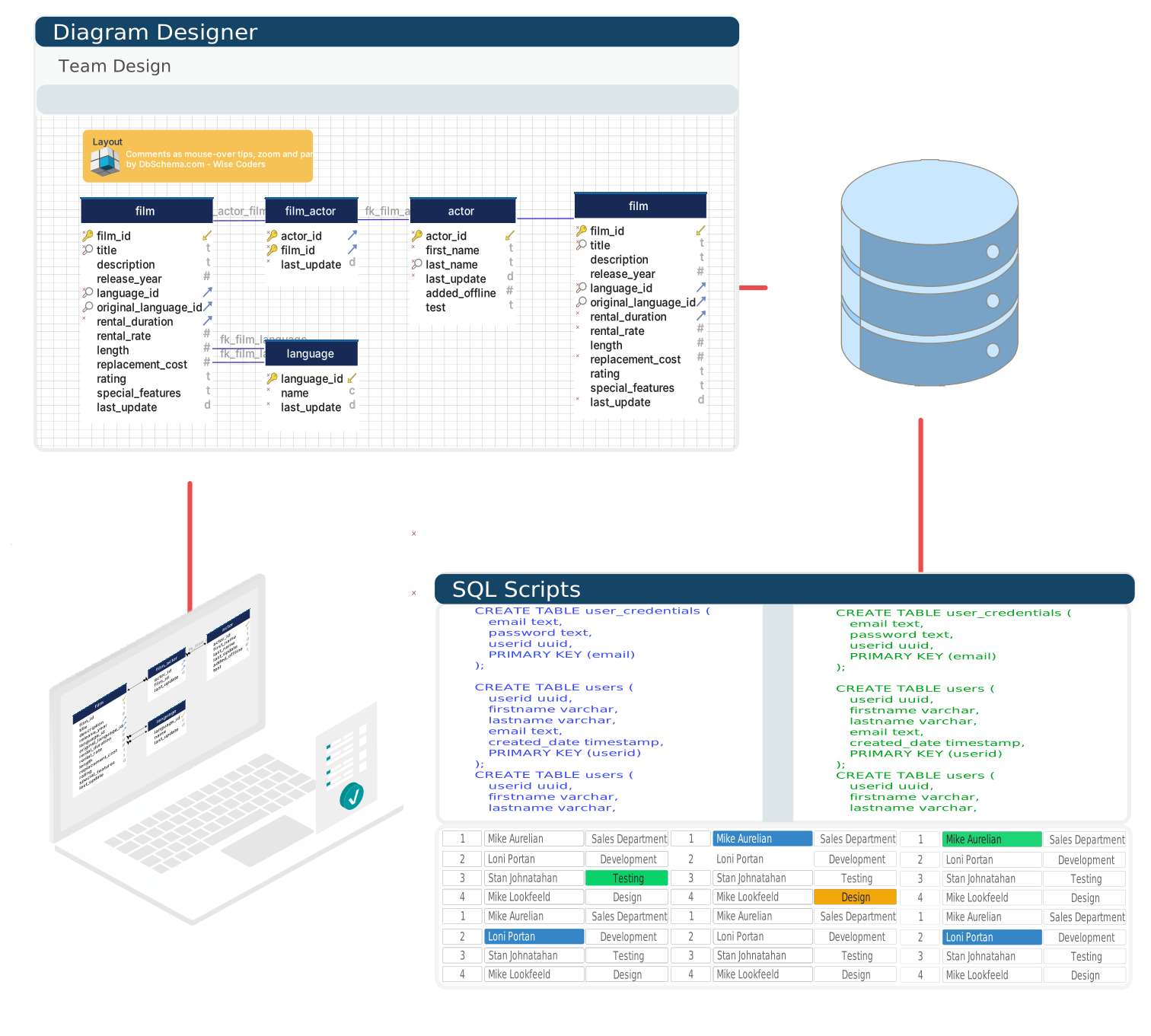
DbSchema connects to Mimer SQL over JDBC and turns the database into ER diagrams, visual schema editing, and documentation precise enough for the industries Mimer serves — aerospace, automotive, and medical devices.
Trusted by teams at
Mimer SQL runs inside aerospace, automotive, and medical-device systems precisely because it takes ACID transactions and the SQL standard seriously. The certification file for such a system needs an accurate schema reference — and hand-drawn diagrams drift out of date the week after the review.
DbSchema reads the catalog itself, so the diagram and the documentation describe the database as it actually is, every time you regenerate them.

Visual tooling for a database usually driven from the BSQL command line.
Adjust tables, columns, and constraints directly on the diagram — DbSchema writes the DDL, and referential integrity stays visible while you work.
Compare Mimer schemas across environments, inspect each structural difference, and generate change statements only after you have read them.
Run queries and DDL against your Mimer instance with autocomplete, editable result grids, and exports — no command-line session required.
One click turns the Mimer catalog into interactive HTML5 documentation: table structures, data types, constraints, and relationships, browsable by anyone with the file. Regenerate it after each change and the audit trail stays current without manual effort.
Explore the Documentation Tool
The Mimer JDBC driver is not bundled with DbSchema: download it from the Mimer developer
pages (developer.mimer.com) and register the JAR under driver class
com.mimer.jdbc.Driver. The default port is 1360, giving a URL
of the form jdbc:mimer://host:1360/dbname.
Local connections use a named pipe by default and need no extra setup; for remote access, enable network access in the MIMCONTROL configuration first. Step-by-step driver setup is on the Mimer SQL JDBC driver page.
Free Community Edition and a 15-day Architect trial in one installer — no account.
Teams working with Mimer SQL often use these engines too. Explore dedicated guides and JDBC setup for each.