Best SQL Editor for Mac/Linux/Windows in 2026 | MySQL, PostgreSQL
For the person choosing a SQL editor for MySQL or PostgreSQL work on macOS, Linux or Windows, where the schema matters as much as the query.
On this page
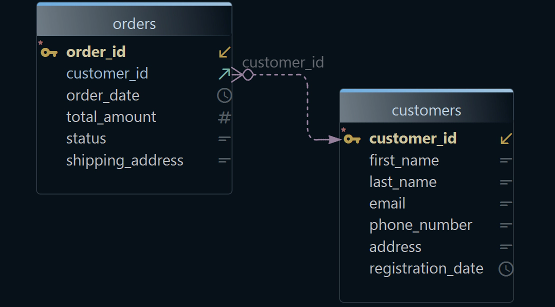
The query you are about to write joins four tables in a schema nobody has explained to you, and your machine may be a Mac today and a Linux box next month. Take DbSchema: the SQL editor sits in the same window as a diagram of the live schema, on Windows, macOS and Linux alike, across MySQL, PostgreSQL and the rest of the 70+ SQL and NoSQL databases it supports. DBeaver, DataGrip and TablePlus each cover part of the same job, and the table below says which part.
SQL editors compared on platforms, engines and price
Five things decide a shortlist: which operating systems the editor runs on natively, which engines it reaches, what the free tier holds, whether the schema is visible while you query it, and what a licence costs. Every figure below was read from the vendor's own page on 6 September 2026, and a cell says only what that page states.
| Editor | Operating systems | Engines | Free tier | Price on 6 September 2026 |
|---|---|---|---|---|
| DbSchema | Windows, macOS and Linux, from one installation kit | 70+ SQL and NoSQL databases, including MySQL and PostgreSQL | Community Edition, no time limit: all databases, diagrams and the SQL editor | Community free; Pro and Architect on the purchase page |
| DBeaver | Windows x86 and ARM, macOS Apple Silicon and Intel, Linux x86 and ARM | MySQL, MariaDB, PostgreSQL, SQLite, the Apache family and more | Community 26.2.0, free and open source | Community free; PRO desktop from $113 a year per licence |
| DataGrip | Windows, macOS and Linux | Relational and NoSQL databases | Free for non-commercial use, plus a 30-day trial | Free for non-commercial use; commercial pricing on the JetBrains buy page |
| TablePlus | macOS 10.13 on Intel and Apple Silicon, Windows, Linux, iOS | Major relational databases | Free trial, 2 open tabs, 2 windows and 2 advanced filters at a time | $99 Basic, one device, bought once, in US dollars, VAT may apply |
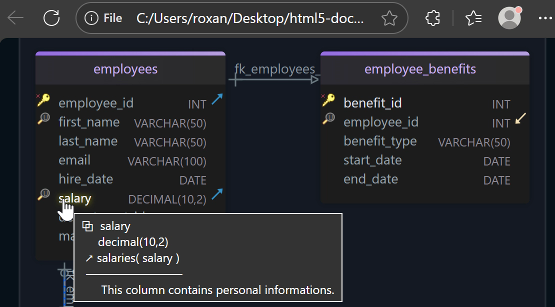
DbSchema is the one that keeps the schema on screen: connect, and the database is reverse-engineered into a diagram, with the editor docked below it. DBeaver Community is open source and ships ARM builds alongside x86 on Windows and Linux. DataGrip is free for non-commercial use and is built on the JetBrains IDE platform. TablePlus is sold once rather than by subscription, and the licence covers the iOS build as well as the desktop one.
Best SQL editor by operating system
On macOS, DbSchema ships a native package as a disk image or a compressed archive, and it is the one to take when you want the diagram beside the editor rather than a grid on its own. TablePlus is a native Mac client, sold as a one-off purchase at $99 for one device[1].
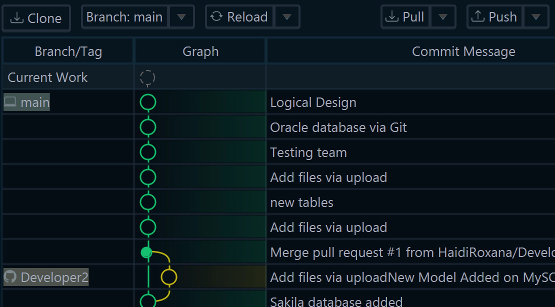
On Linux, DbSchema installs from the same kit it uses on Windows and macOS, so a model built on one machine opens unchanged on another. DBeaver Community offers deb, rpm and tar.gz packages for x86 and ARM[2].
On Windows all four run. DbSchema is the pick when the job includes designing or documenting the schema and not only querying it, which is most jobs on a database somebody else built.
Writing SQL in DbSchema
The DbSchema SQL editor opens from the Editors menu or the toolbar, and it sits under the diagram rather than replacing it, so the tables you are joining are in view while you type the join.

Autocomplete reads the connected schema, not only the SQL keywords: press Ctrl+Space and DbSchema suggests table names, column names, keywords and functions, with the type and the owning table shown next to each suggestion.

Two run actions sit in the toolbar, and the difference matters on a long script. Execute Query runs the selected text, or the statement the cursor is in, and shows the result as a table. Run Script runs the whole editor content and prints the output as text, with several result sets in one pane. The Run Script dropdown carries Ignore Errors, which continues past a failing statement, and Auto-Commit; with Ignore Errors off, execution stops at the first error. Since DML and some DDL need a COMMIT to become permanent, the Commit and Rollback buttons are next to them.
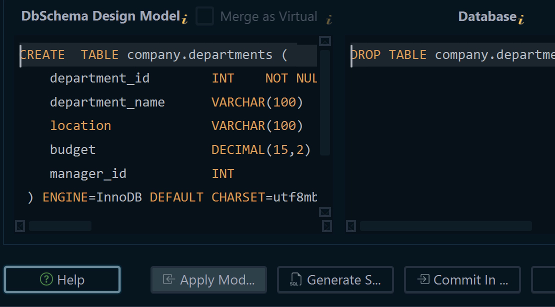
Design a table on the diagram instead of typing it, and DbSchema writes the statement for you.

The same editor runs Java Groovy and JavaScript: switch the language in the dropdown and the pane executes a script against the connection, with the JDBC connection, the design model and an output stream handed to it as variables.

The SQL editor is in the free Community Edition. The visual query builder, which assembles joins from the foreign keys already in the model, is Pro, as are offline design, schema synchronization and relational data browse.
Explore your database with the SQL data viewer
Running the query and reading the answer happen in one place. The rows arrive in a grid under the editor, and for most databases the data in the result pane can be edited inline: double-click a cell, change the value, commit when you are done. That is what you want for a one-row correction, where writing an UPDATE and a WHERE clause is more ceremony than the fix deserves.

When the result is too large to hold on screen, click Save in the result pane. DbSchema re-executes the query and streams the whole result set to disk instead of into the grid.

Get started for free
What DbSchema adds over a query console is that the schema and the SQL are the same workspace: the foreign keys are something you look at rather than remember, and a table you draw becomes a statement you can read. Download DbSchema and run your first query against your own database. The editor, the diagrams and reverse-engineering are in the free Community Edition, and the 15-day Architect trial in the same installer adds the visual query builder, offline design and schema synchronization.
Sources
Write SQL next to your schema
DbSchema pairs the SQL editor with a live diagram of the database, so foreign keys are visible while you query. The editor, the diagrams and reverse-engineering are in the free Community edition.