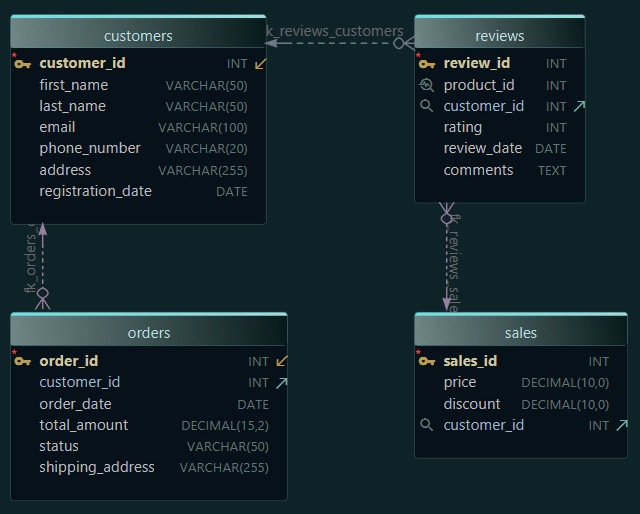
Top Free Database Design Tools for 2026 – Visual Comparison | DbSchema

Free database design tools are much better in 2025 and 2026 than they were a few years ago. The best options now go beyond simple diagram drawing: they can reverse-engineer schemas, generate documentation, support browser collaboration, or help teams keep the design aligned with a live database.
If you want the short version, DbSchema is the most complete free starting point because it covers visual design, reverse engineering, documentation, and offline modeling in one workflow. DBeaver is excellent for live-database exploration, MySQL Workbench is still useful for MySQL-only environments, and PostgreSQL-focused teams often like pgModeler.
Table of Contents
- Quick answer
- What modern teams need from a free design tool
- Comparison table
- Tool reviews
- How to choose the right tool
- How a modern design workflow looks in DbSchema
- FAQ
- Conclusion
Quick answer
- Best overall free database design tool: DbSchema
- Best for live schema exploration: DBeaver
- Best free MySQL-focused tool: MySQL Workbench
- Best free PostgreSQL-focused tool: pgModeler
- Best browser tool for quick text-first diagrams: dbdiagram.io
- Best browser tool for team collaboration: SQLDBM or ChartDB
For database-specific comparisons, see Best MySQL Database Design Tools and Top Free PostgreSQL ER Diagram Tools.
What modern teams need from a free design tool
The strongest free tools today usually help with at least one of these:
- design a schema before implementation
- reverse-engineer a live database into a diagram
- keep large schemas readable with better layouts
- export documentation instead of only screenshots
- support a team workflow with sharing, comments, or versioned files
That is why this comparison emphasizes design-first workflow, reverse engineering, and documentation or collaboration instead of only listing generic SQL clients.
Comparison table
| Tool | Design-first workflow | Reverse engineering | Docs / collaboration | Best for |
|---|---|---|---|---|
| DbSchema | Yes | Yes | strong docs and schema workflow | complete visual design lifecycle |
| DBeaver | Limited | Yes | broad database IDE workflow | live schema exploration |
| MySQL Workbench | Yes | Yes | MySQL-native modeling | MySQL-only projects |
| pgModeler | Yes | Yes | PostgreSQL-focused export workflow | PostgreSQL specialists |
| dbdiagram.io | Yes, text-first | SQL import | fast sharing | quick prototypes |
| SQLDBM | Yes | Import-based | browser collaboration | cloud-first teams |
| DrawDB | Yes | limited | simple browser collaboration | fast manual diagrams |
| ChartDB | Yes | import-oriented | browser or self-host sharing | lightweight modern teams |
Tool reviews
1. DbSchema
DbSchema is the best free all-around recommendation because it covers the full workflow:
- visual schema design
- reverse engineering from live databases
- multiple diagrams for large schemas
- interactive documentation
- schema synchronization
It is especially strong when the same design needs to be reviewed by developers, analysts, and stakeholders over time.
2. DBeaver
DBeaver is one of the most popular free database tools because it supports many engines and makes live database work easy.
- very broad database support
- practical SQL editor and data browser
- useful ERD view for connected schemas
It is strongest when database exploration matters more than design-first modeling.
3. MySQL Workbench
MySQL Workbench remains important because it is the official MySQL desktop tool and still handles design, SQL editing, and administration in one place.
- EER modeling
- forward and reverse engineering
- good fit for MySQL-only teams
It is less useful if you need a broader multi-database documentation workflow.
4. pgModeler
pgModeler is a strong pick for PostgreSQL specialists who want a modeling-oriented tool rather than a generic database client.
- PostgreSQL-focused design workflow
- reverse engineering and SQL generation
- strong fit for power users
It is the best choice here when PostgreSQL is the main target and the team wants a dedicated modeling environment.
5. dbdiagram.io
dbdiagram.io is fast, simple, and extremely good for turning SQL or DBML into a diagram with almost no friction.
- code-first diagram creation
- easy sharing and exports
- ideal for prototypes and quick communication
It is not meant to replace a full design-and-sync platform.
6. SQLDBM
SQLDBM is a browser-based modeling tool aimed at teams that want online collaboration and a design-first workflow in the cloud.
- browser-based collaboration
- modeling workflow without desktop setup
- useful for distributed teams
It is strongest when sharing and teamwork matter more than offline modeling.
7. DrawDB
DrawDB is a lightweight browser-based ER diagram tool that is easy to use for small projects and early sketches.
- quick manual diagramming
- very low learning curve
- practical for smaller schemas or classroom use
It is better for speed and simplicity than for full lifecycle schema management.
8. ChartDB
ChartDB is a newer lightweight option with browser-first workflow and sharing flexibility.
- modern web experience
- import-oriented diagram workflow
- useful for small teams that want quick collaboration
It is appealing when you want a lightweight online tool instead of a heavier desktop application.
How to choose the right tool
| If you need to... | Best fit |
|---|---|
| design visually, reverse-engineer, and document in one workflow | DbSchema |
| inspect live schemas across many database engines | DBeaver |
| stay inside a MySQL-only workflow | MySQL Workbench |
| model PostgreSQL deeply | pgModeler |
| sketch and share a code-first prototype fast | dbdiagram.io |
| collaborate in the browser | SQLDBM, DrawDB, or ChartDB |
How a modern design workflow looks in DbSchema
DbSchema is the easiest recommendation when you want one free tool to cover most database design work:
- start with a new visual model or connect to a database
- organize the schema in the diagram view
- refine the model using logical design
- compare changes with schema synchronization
- publish the result as schema documentation
That workflow is why DbSchema appears at the top of multiple comparison pages: it solves both design-first and existing-database use cases without forcing you to jump between separate diagram, sync, and documentation tools.
FAQ
What is the best free database design tool overall?
For most teams, DbSchema is the best free starting point because it covers visual design, reverse engineering, documentation, and schema review in one workflow.
Which free tool is best for beginners?
DbSchema is beginner-friendly if you want a visual workflow. dbdiagram.io and DrawDB are also easy starting points for quick diagrams.
Can free tools reverse-engineer an existing database?
Yes. DbSchema, DBeaver, MySQL Workbench, and pgModeler can all help reverse-engineer existing schemas, although the surrounding workflow differs from tool to tool.
Which free tool is best for documentation?
DbSchema is the strongest option here because it can export interactive database documentation directly from the same model used for the diagram.
Are browser-based database design tools enough for teams?
They can be enough for sketching and collaboration, but teams often outgrow them when they need stronger reverse engineering, schema diff, and long-term documentation.
Should I use one tool for every database engine?
If your team works across several databases, that is usually easier. DbSchema and DBeaver are stronger fits than single-engine tools in that situation.
Conclusion
The best free database design tools now compete on workflow, not just on drawing features. The important questions are whether the tool can reverse-engineer schemas, keep diagrams readable, publish documentation, and stay useful as the database changes.
That is why DbSchema is the most practical first recommendation: it gives you a modern visual design workflow, then carries the same model into documentation and schema review instead of stopping at the diagram.