MongoDB Atlas ER Diagram Designer
For a developer with a MongoDB Atlas cluster, or about to create one, who wants to see the collections in it as a diagram.
On this page
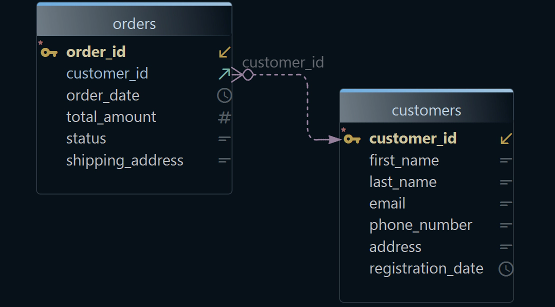
A cluster in the cloud gives you a connection string and a shell, and nothing that shows you what is inside it. Atlas hands out that connection string once the cluster, the database user and the IP access list are in place, and DbSchema turns it into a diagram of the collections: paste the string into the connection dialog, pick the databases, and the diagram is drawn from the documents themselves.
Set up the Atlas cluster and copy its connection string
Sign in to the MongoDB Cloud Console and create a cluster. Atlas has a free tier, which is enough for everything on this page.

Then create a database user with a password. Those two values go into the connection string later, so keep them at hand.

A cluster refuses connections from addresses that are not on its IP access list, so add your own under Network Access before you try to connect. Atlas offers your current address as an entry, which is the quickest way in from a workstation.

An empty cluster makes a dull diagram. Atlas can load a set of sample databases into it from the collections view, and the console dashboard then shows the cluster with data in it.

Atlas builds the connection string for the cluster and lets you copy it. It looks like mongodb+srv://user:password@cluster-host/dbname, with a placeholder where the password of the database user goes.

Replace the placeholder with the password you set, and keep the string as it is otherwise: the mongodb+srv prefix is what makes the driver look up the cluster members through DNS instead of listing them.
Connect DbSchema and read the diagram it draws
Install DbSchema from https://dbschema.com/download.html and choose Connect to a Database on the Welcome Screen, then MongoDB as the database. In the Connection Dialog, set the connection mode to Edit the JDBC URL Manually and paste the Atlas string in as the URL. DbSchema downloads the driver it needs by itself.

DbSchema asks which databases to open. Take all of them on a sample cluster, and take only the one you work on when the cluster is a real deployment with many databases.
MongoDB enforces no schema, so the structure on the diagram comes from the documents. DbSchema introspects a configurable sample of documents per collection and infers the field names, the BSON types, the nested objects and the arrays it finds in them, which approximates what the collection holds rather than a shape the database guarantees. Where a collection carries a validation rule, DbSchema reverse-engineers that rule as the authoritative structure instead, and creating or editing a collection in DbSchema writes the rule back to both the cluster and the model file.

Relations between collections are yours to draw, because Atlas declares none: drag the field of one collection onto the field it points at in another and DbSchema saves that virtual relation in the model file, leaving the cluster untouched. Those relations are what the Relational Data Editor then follows, opening parent and child collections side by side so that selecting one document refilters the panes next to it.
The connection string you copied from Atlas is the only thing DbSchema needs, so the diagram of your own cluster is a paste away: get DbSchema at https://dbschema.com/download.html. Connecting, reverse-engineering and the interactive diagrams are in the free Community Edition; saving the model to a file and the Relational Data Editor are Pro.