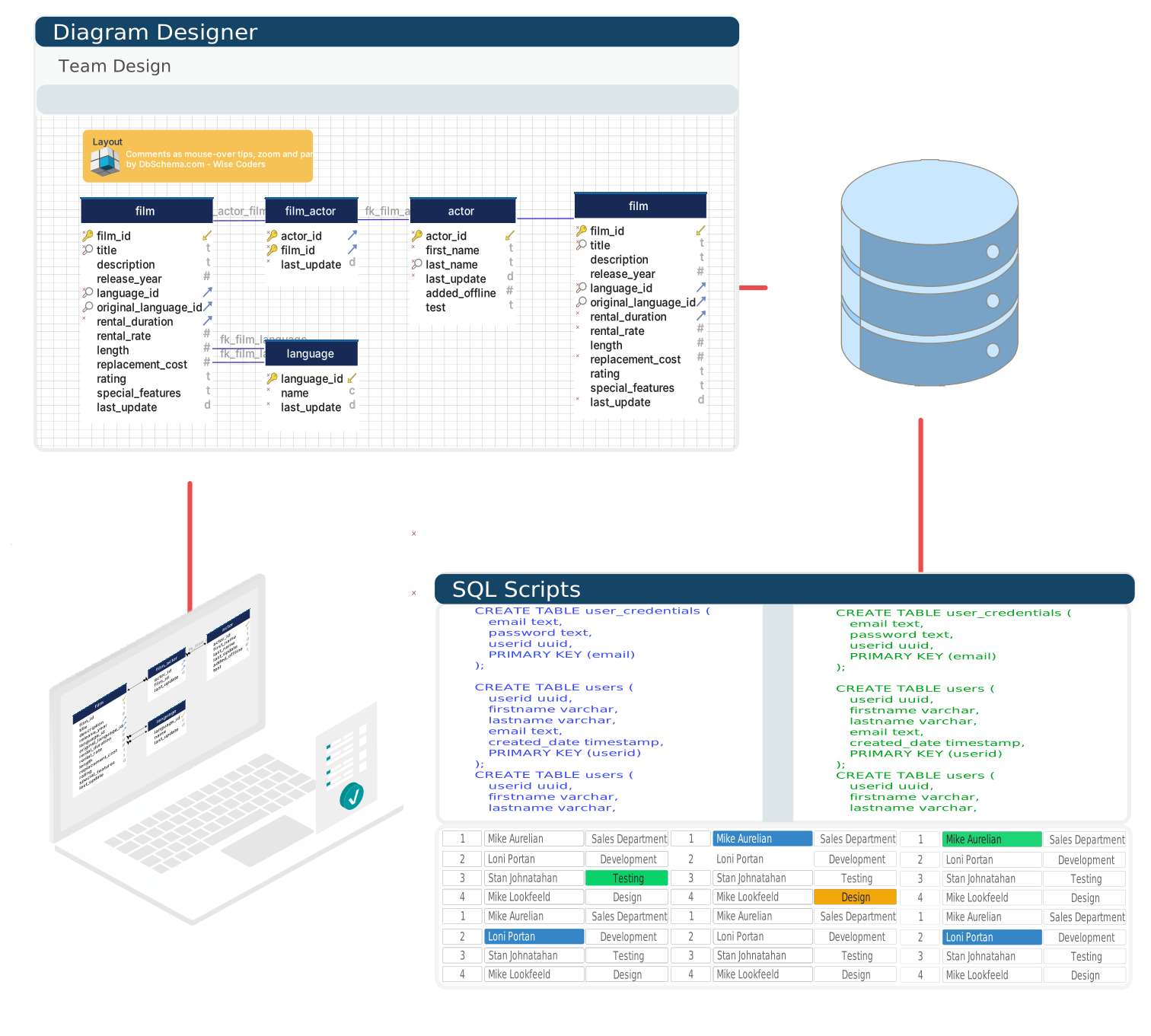
DbSchema runs natively on macOS — and on Windows and Linux — and connects to FrontBase over JDBC, turning the SQL catalog into interactive ER diagrams, a capable SQL editor, and documentation you can share.
Trusted by teams at
FrontBase gives macOS and Unix teams ACID compliance and a standards-conformant SQL implementation — yet day-to-day schema insight often comes down to querying system catalogs by hand, and cross-schema dependencies surface only when something breaks.
DbSchema draws the catalog as interactive diagrams and surrounds the database with the desktop tooling it never had.
Everything between the first connection and the reviewed change.
After connecting, DbSchema displays tables, columns, primary keys, and foreign key constraints on the canvas — with several schemas side by side in larger deployments.
Write and run statements against FrontBase's dialect — sessions, transaction isolation levels, its type system — and inspect result sets without leaving the tool.
Compare schema versions across FrontBase instances, review each difference, and generate the DDL that reconciles them — read before it is applied.
The design model is a file, so FrontBase schema changes branch, diff, and pull-request with the rest of the project. Once the review is green, DbSchema generates the DDL and applies it to the server you choose.
The FrontBase server must be running first — on macOS, start it through the FrontBase Manager
application or the FrontBase command-line tool included with the installation
package. Download the JDBC driver from frontbase.com and register the JAR in
DbSchema's driver manager.
Connections use the default port 4242 and a URL of the form
jdbc:FrontBase://host/dbname. DbSchema then reads the SQL catalog and lays the
schema out on the canvas. Details are on the
FrontBase JDBC driver page.
Community Edition stays free; the Architect trial runs 15 days. No signup.
Teams working with FrontBase often use these engines too. Explore dedicated guides and JDBC setup for each.